Easier Content Management at Every Stage = Better Digital Experiences
How Liferay Content Management System (CMS) Works with Other Product Modules
CMS + Sites
Turn content into fully personalized digital experiences to engage site visitors. With Sites, you can use content from Liferay CMS to build websites, intranets, portals, and online storefronts — and preview everything before it goes live to ensure quality and consistent branding.
CMS + DAM
Organize and manage your digital assets with ease. Liferay DAM lets teams store assets in libraries, publish them to multiple sites, and control access. Automatic tagging and categorization keep content structured and easy to find.
CMS + Personalization
Deliver experiences that adapt to each user. Personalization works with the CMS to dynamically change page layouts and content based on user segments, helping you increase engagement and relevance.

Frequently-Asked Questions
A traditional CMS platform (like WordPress or Drupal) is “monolithic,” meaning the content creation, management, and delivery are tightly linked. A traditional CMS is built mainly to publish to one website using predefined themes and templates.
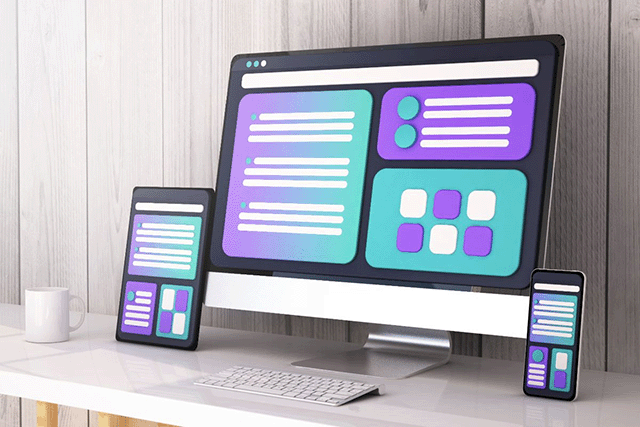
Headless CMS software separates content management from presentation, managing the content only so the front end can be built with any framework. This lets you manage your content and digital assets in one place and publish it across websites, apps, mobile devices, and other channels.
- Omnichannel delivery. Manage once, publish anywhere—websites, mobile apps, smart devices, and more.
- Developer freedom. Developers can use any frameworks or tools, speeding up cycles and making workflows more agile.
- Future-proofed architecture. As new technologies and channels emerge and as your business grows, structured content is ready to be delivered.
- Enhanced security. The back end is separate from the front end, reducing exposure to attacks.
- Improved performance. Decoupling the content from the presentation layer results in faster page load times and a better user experience.
Liferay combines headless delivery with a rich authoring experience. With a decoupled CMS, marketing teams and creators can:
- Use predefined content structures.
- Collaborate across teams and regions.
- Use AI for content creation and translation.
- Apply governance tools to maintain consistency and compliance.
Liferay is a strong fit if your organization needs to:
- Publish content to multiple channels and regions.
- Give developers more flexibility and agility.
- Streamline content workflows and improve cross-team collaboration.
- Maintain strong governance, consistency, and compliance.
Yes. Even with a headless setup, Liferay lets you preview how content will look on different channels before it goes live. The Sites module provides visual previews, and APIs allow developers to test the same content across devices and channels.
Generally, yes. By decoupling the presentation layer from the back end, a headless architecture reduces the attack surface. The CMS database isn’t directly exposed to the public-facing site, helping protect against security threats like DDoS attacks and malware injections.
Additional Resources